The 50% rule is a simple screen for deciding whether to repair or replace an appliance. If the repair costs more than about half the price of a comparable new appliance, replacement is usually worth considering. If the repair costs much less than half, and the appliance is in good condition, repair is often the better choice.
This guide explains how to use the rule. No prices are listed here. To discuss your appliance, call us and speak with Staten Island Appliance Repair.
What the 50% rule actually says
Compare two figures: the cost of the repair, including parts and labour, and the price of a comparable new appliance, meaning a new unit with similar size, features, and capacity. If the repair is more than about half the price of that new unit, think seriously about replacement. If it is well under half, and the appliance has life left in it, repair usually makes sense. Use the price of a comparable new unit today, not the price you paid years ago.
Why it is a screen, not a law
The rule is useful because it is simple, but it leaves out things that matter. It does not account for age, condition, or how many times the appliance has already been repaired. It does not account for whether the fault is small and isolated, or a sign of wider failure.

So a repair above half can still be worth it on a fairly new unit in good condition, and a repair below half can still be poor on an old unit with several repairs.
Age and expected lifetime
Age is the second factor to weigh, after cost. An appliance well past the middle of its expected life is a different proposition from one that is only a few years old. The table below gives typical expected lifetimes. These are general guides, not guarantees.
| Appliance | Typical expected lifetime |
|---|---|
| Dishwasher | 10 years |
| Washer | 11 years |
| Dryer | 14 years |
| Refrigerator | 15 years |
| Gas oven | 15 years |
| Electric stove | 15 years |
| Freezer | 15 years |
When an appliance is past half its expected life and the repair is also past half the price of a new unit, replacement is usually the stronger option.
Condition and repair history
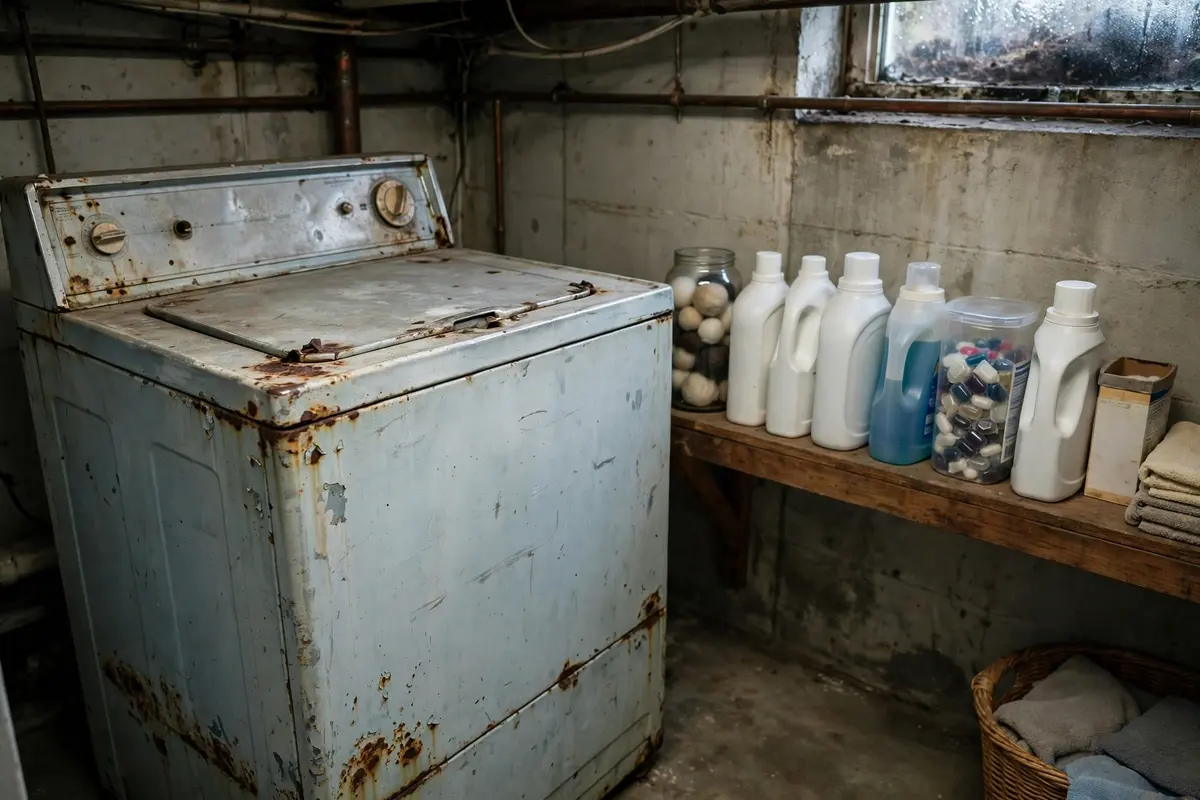
An appliance that has been looked after may still have years of service in it. One with repeated faults, noises, or leaks may be telling you more problems are coming.
Repair history is a strong signal. One repair for a clear fault is normal. Two or three repairs in a short period can suggest wear across the appliance. Repeated repairs for the same fault are a stronger warning: the diagnosis may have been wrong, or another part may be causing the first part to fail. Ask the technician whether the fault looks isolated.
When repair is usually better
Repair is usually better when the fault is small, the appliance is in the first half of its expected life, and it has no history of repeated repairs. A failed lid switch, a clogged pump filter, a worn belt, a faulty thermostat, or a failed fan often fall into this group. The repair is limited, the rest of the appliance is sound, and the unit should give more years of service.
When replacement is usually better
Replacement is usually better when the repair costs more than about half a comparable new unit and the appliance is past half its expected life. It is also stronger when the fault is in a major system, such as a refrigerator compressor or sealed system, and the unit is old. A major repair on an old unit can fix one problem while another major part fails soon after.
Replacement is also worth considering when parts are discontinued or very hard to find. Honest replace advice is a trust builder. If a technician recommends replacement, ask why.
The fault type changes the answer
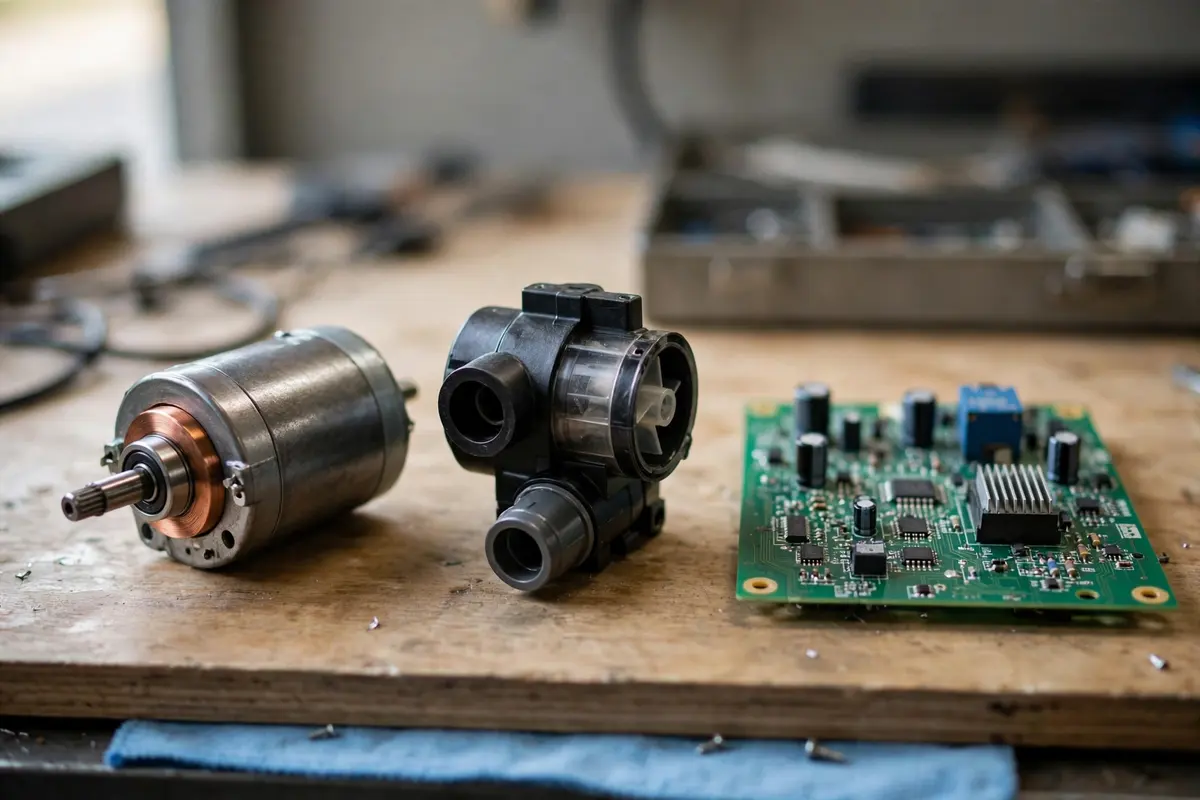
Not all faults are equal. For a refrigerator, a fan, sensor, or start relay is a different matter from a compressor or a sealed system leak. For a washer, a belt, pump filter, or lid switch is different from a failed motor or worn drum bearing. For a dryer, a thermal fuse or heating element is different from a failed motor. For an oven, an igniter or heating element is different from a failed control board. Ask which part has failed and whether it is available.
A simple way to decide
First, get a written quote showing parts and labour separately. Second, find the price of a comparable new appliance. Third, compare the two with the 50% rule. Fourth, check age, condition, and repair history.
If the repair is well under half, the appliance is young or in good condition, and it has no pattern of repeated faults, repair is usually sensible. If the repair is over half, the appliance is old, and it has had several repairs, replacement is usually sensible. If the figures sit near the line, the other factors decide.
What to ask, and what to do next
Ask the technician to explain the fault in plain language and what warranty applies. The warranty length for this business is a 90-day parts and labor warranty. Note the brand, model, age, and symptom. Call us to book a diagnostic visit with Staten Island Appliance Repair. The business serves Staten Island, NY. Its address is 205 Ridgecrest Ave, Staten Island, NY 10312.
Frequently Asked Questions
What is the 50% rule for appliance repair?
If a repair costs more than about half the price of a comparable new appliance, replacement is usually worth considering. If it costs much less than half, repair is often better. It is a screen, not a strict law.
How long should a refrigerator last?
Typically about 15 years, as a general guide, not a guarantee.
How long should a washer and dryer last?
A washer typically lasts about 11 years, a dryer about 14 years, and a dishwasher about 10 years.
My appliance is old but the repair is cheap. Should I repair it?
Often, yes, if the rest of the unit is in good condition and the fault is isolated. The risk is that another major part fails soon after. Ask whether the unit shows signs of wider wear.
My appliance is fairly new but the repair is expensive. Should I replace it?
Not necessarily. A major repair on a fairly new appliance in good condition can still be worth it, since the unit should have many years left after the fix. Compare the repair cost with a comparable new unit.
What if the same fault keeps coming back after repair?
Repeated failure can mean the diagnosis was wrong, another part is causing the first part to fail, or the appliance has wider wear. Ask why it has returned, and what would be different this time.
Should a repair company ever tell me to replace instead of repair?
Yes. Honest advice to replace is a sign of a trustworthy service. Ask for the specific reason, such as age, part cost, or condition.