Before the appliance technician arrives, find the model and serial number, clear access to the appliance, write down the symptom and when it started, note any error code, take a photo or short video of the problem, secure pets, and make sure an adult is home. A short checklist before the visit saves time, helps the technician diagnose the fault faster, and avoids a second visit to identify the model or to reach the appliance. This guide covers what to do before the visit, what to tell us when you book, what happens during the visit, and a note for renters.
Find the Model and Serial Number Label
The model and serial number tell the technician exactly which appliance you have and which parts fit it. Find the label before the visit, and write the numbers down, or take a clear photo of the label. Where to look depends on the appliance. For a refrigerator, check inside the fridge compartment or on the back. For a dishwasher, check on the door or door frame. For a washer or dryer, check inside the door, on the door frame, or on the back. For an oven, check on the door frame or inside the door. For an ice maker inside a fridge, use the refrigerator model number. Do not move a heavy appliance on your own to reach a label on the back.
Clear Access to the Appliance
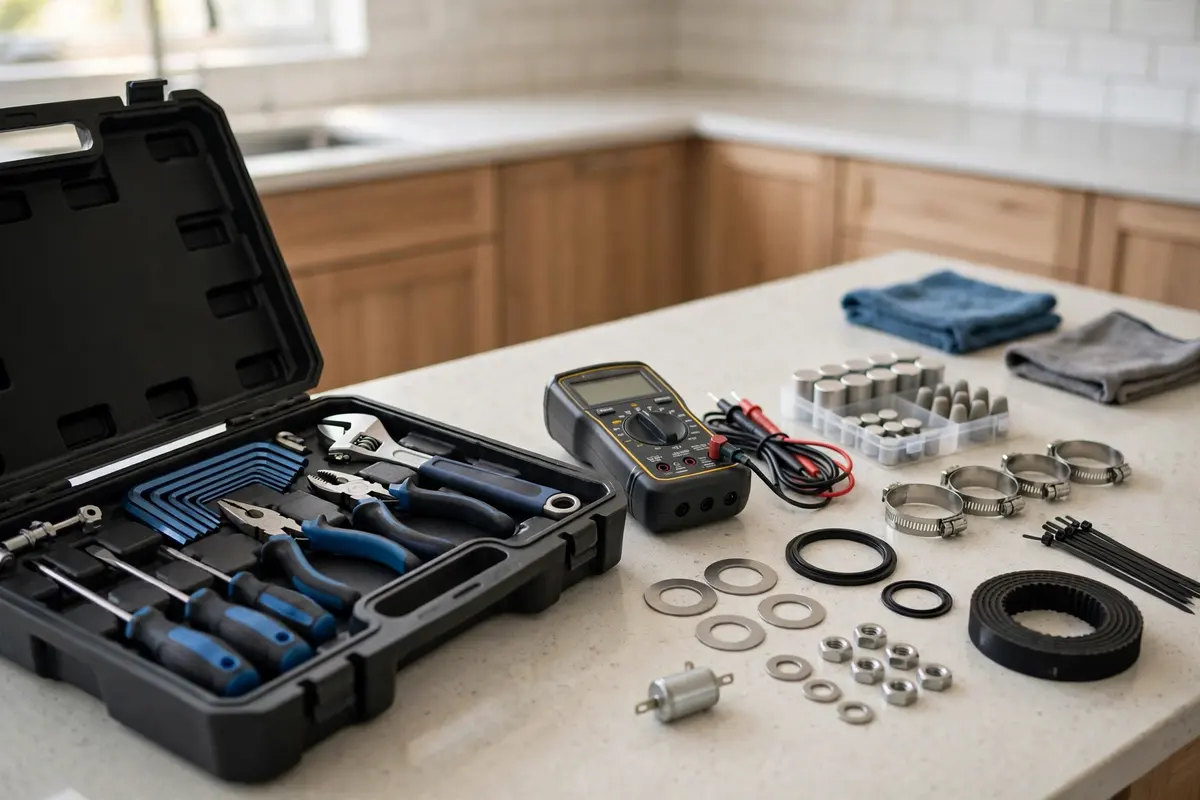
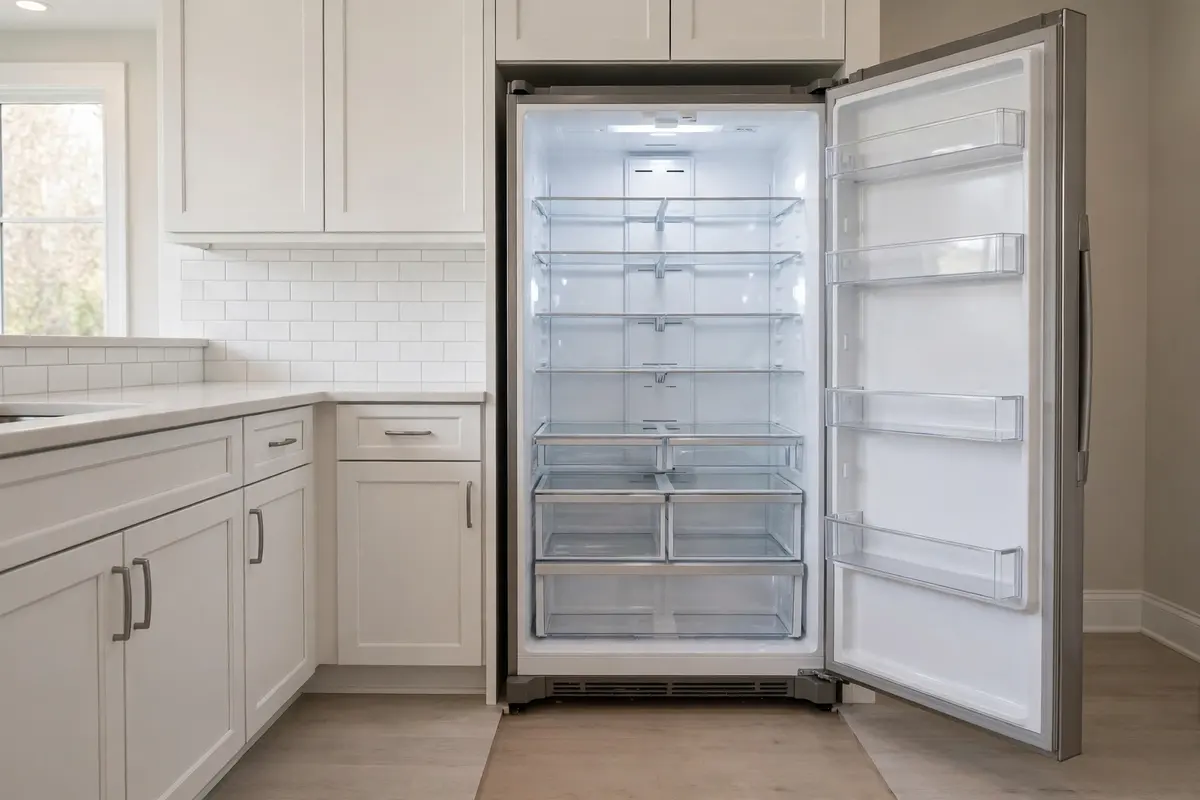
Clear access to the appliance before the technician arrives. Move items away from the front and sides of the appliance, so the technician can open the door, pull out drawers, and reach the back if needed. Clear the path from the front door to the appliance, and move rugs, shoes, and other items that could trip the technician. For a refrigerator, clear the front and sides so the doors open fully. For a dishwasher, clear the sink cabinet to reach the drain hose and water connections. For a washer and dryer, clear the laundry room. For an oven, clear the cooktop and the oven cavity. If the appliance is in a basement or tight closet, make sure the lights work and the path is clear.
Write Down the Symptom, When It Started, and Any Error Code
Write down the symptom in your own words, when it started, and whether it happens every time or only sometimes. Write down any error code shown on the display, exactly as it appears. If the appliance makes a sound, describe it, such as humming, buzzing, clicking, or grinding. A short note helps. For example: fridge warm since yesterday, freezer still cold, no error code. Or: dishwasher leaves water after every cycle, shows Bosch E24.
Take a Photo or Short Video of the Problem
Take a photo or short video of the problem if you can do so safely. A photo of standing water, or a photo of an error code, can help the technician understand the fault before the visit. Keep the video short, and focus on the symptom. Do not open panels, remove covers, or put your hands near moving parts. Do not take a video if the appliance is leaking heavily, sparking, or smelling of gas.
Secure Pets and Make Sure an Adult Is Home
Secure pets before the technician arrives. Move dogs and cats to another room where they cannot reach the technician or the appliance. Make sure an adult is home for the whole visit. The technician needs an adult to explain the fault, agree the written estimate, and approve the repair before work starts. A child cannot agree to a repair. If you cannot be home, arrange for another adult to be there.
What to Tell Us When Booking
When you book, have this information ready: the appliance type, the brand and model number, the symptom, when it started, any error code shown, and your ZIP code. Tell us too if the appliance is in a basement or tight space, if parking is limited, or if the building has a gate code. Tell us if you rent, and tell us if the appliance is leaking, smells of gas, or trips the breaker. For a gas smell, do not wait for the booking. Leave your home, and call your gas utility emergency line or 911 from outside. To book, contact Staten Island Appliance Repair. The diagnostic fee is $80 for standard brands and $95 for elite and premium brands.
A Note for Renters
If you rent, check whether your landlord is responsible for the repair before you book. In New York City the landlord usually handles appliance repairs in a rented home, but the lease decides. Before you book, read the lease, or ask the landlord or the managing agent. If the landlord is responsible, report the fault to the landlord first, and ask how they want the repair arranged. Do not book a repair yourself and assume the landlord will pay. If the landlord tells you to book the repair, ask for that instruction in writing.
What Happens During the Visit
During the visit, the technician will first diagnose the fault by testing the appliance and finding the cause, not just the symptom. The technician should explain the fault in plain language, and show you the failed part where possible. After diagnosis, you will get a written estimate before work starts. The estimate should list the diagnosis, the parts, the labour, and the total. No repair work should start until you have seen the estimate and approved it. If the repair is not worth doing, the technician should tell you honestly. After the repair, the technician should test the appliance and explain what was done. Keep the invoice and the warranty terms. The warranty length is a 90-day parts and labor warranty.
Frequently Asked Questions
What should I do before the appliance technician arrives?
Find the model and serial number, clear access to the appliance, write down the symptom and when it started, note any error code, take a photo or video if safe, secure pets, and make sure an adult is home.
Where do I find the model and serial number on my appliance?
Check inside the fridge door frame, on the dishwasher door edge, inside the washer or dryer door, or on the oven door frame. If you cannot reach the label safely, tell the technician, and they can find it during the visit.
What information should I give when I book an appliance repair?
Give the appliance type, brand and model number, symptom, when it started, any error code shown, and your ZIP code. Also share access notes, such as a basement location, parking limits, or a gate code.
Should I empty the dishwasher or fridge before the visit?
Empty the dishwasher if the technician asks you to, and clear the fridge and freezer area around an ice maker fault. Clear the sink cabinet for a dishwasher visit, and clear the laundry room for a washer or dryer visit.
Do I need to be home during the repair visit?
Yes, an adult needs to be home for the whole visit, to explain the fault, agree the written estimate, and approve the repair before work starts. A child cannot agree to a repair.
What happens during an appliance repair visit?
The technician diagnoses the fault first, explains it in plain language, gives you a written estimate, and waits for your approval before work starts. After the repair, the technician tests the appliance and explains what was done.
I rent my home. Should I book the repair myself?
Check your lease first, and report the fault to your landlord. In New York City the landlord usually handles appliance repairs in a rented home, but the lease decides. Do not assume the landlord will pay if you book without checking.
What should I do if I smell gas before the technician arrives?
Do not flip switches or light matches, do not try to relight a gas oven that smells of gas, leave your home, and call your gas utility emergency line or 911 from outside. Stay outside until the home is declared safe.