An oven not heating usually means the heat source, the temperature sensor, or the control system is not working. On a gas oven, a weak igniter is the most common cause. On an electric oven, a failed bake element is a common cause. A faulty sensor, a blown fuse, or a control board fault can affect either type. Check the simple points first. Make sure the oven is set to Bake, not Warm, Broil, or a timed delay. Make sure the door is closed. Note whether the oven heats slowly, heats unevenly, or stops before it reaches temperature.
Gas Safety Box
If you smell gas, act at once. Do not use the oven, do not flip light switches, do not light matches, and do not try to relight a gas oven that smells of gas. Do not test gas fittings yourself. Leave your home, and from outside call your gas utility emergency line or 911. Stay outside until the home is declared safe, then call a qualified professional for the oven repair. A strong smell, a smell that stays, or a smell near the oven when it is off is an emergency. Never do unsafe DIY work on gas appliances. Gas work needs a qualified professional.
1. A Weak Gas Igniter
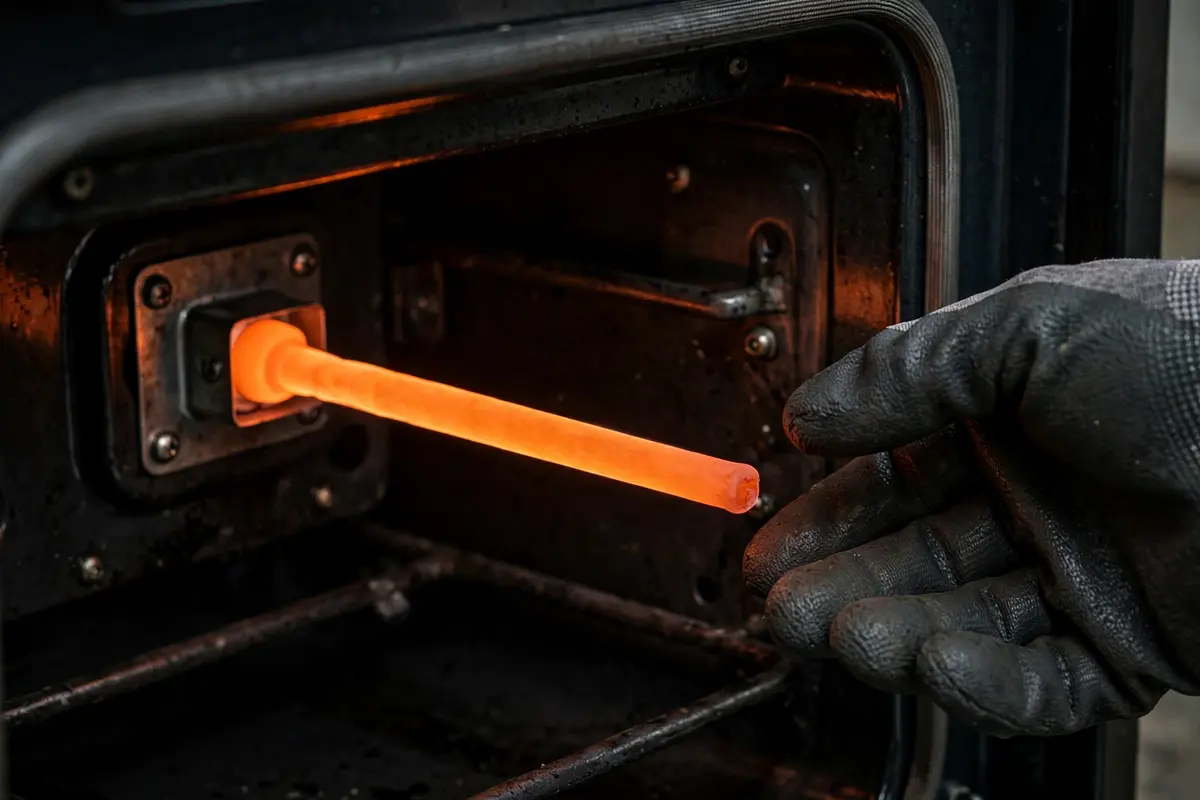
A weak gas igniter is the most common cause of a gas oven not heating. The igniter is the part that glows orange when you turn the oven on. A glowing igniter does not always mean it is working. The igniter must draw enough current to open the gas safety valve. If it is weak, it glows but the valve stays closed, so the burner never lights. The oven may sit cold while the igniter glows. A technician can test the current draw to confirm the cause. Replacement should be done by a qualified professional.
2. A Failed Bake Element
On an electric oven, the bake element sits at the bottom of the oven cavity. It is the main heat source for baking. If it fails, the oven may not heat at all, or it may heat very slowly. A failed element may show a break, a blister, or a burnt spot. In other cases it looks normal but has failed inside, so only testing shows the fault. The broil element at the top may still work. If Broil heats but Bake does not, the bake element is a likely cause. Do not touch an element to test it. A technician can test it for continuity and replace it if it has failed.
3. A Faulty Temperature Sensor
The temperature sensor sits inside the oven cavity, usually at the back. It reads the oven temperature and sends that reading to the control board. If the sensor is faulty, the board gets the wrong reading. It may stop heating too early, keep heating too long, or not heat at all. A common sign is uneven heating, or a large gap from the set temperature on an oven thermometer.
4. A Control Board Fault
The control board runs the oven. It reads the sensor, controls the igniter or the elements, and manages the display and the timer. If the board fails, the oven may not respond, may show an error, may heat without stopping, or may not heat at all. A technician will usually test the heat source and the sensor first, because those parts fail more often. Board replacement needs the correct part for the exact model.
5. A Blown Fuse or a Power Problem
Some ovens have an internal thermal fuse or a fuse on the control circuit. If that fuse blows, the oven may not heat, or the display may go dark. A fuse often blows because of overheating, a failed part, or a power surge. Replacing the fuse alone may not fix the cause, so a technician should check why it blew. Check the home breaker first, but only if you can do so safely. If the breaker trips again after you reset it, do not keep resetting it.
Why Your Gas Oven Igniter Glows but Will Not Light
A gas oven igniter can glow without lighting the burner, because glowing alone is not enough. The igniter must draw enough current to open the gas valve. A weak igniter glows, but the current stays too low, so the valve stays shut and no gas reaches the burner. Do not keep turning the oven on and off to force it to light, and do not try to light the burner by hand. If you smell gas while the igniter is glowing, follow the gas safety box above.
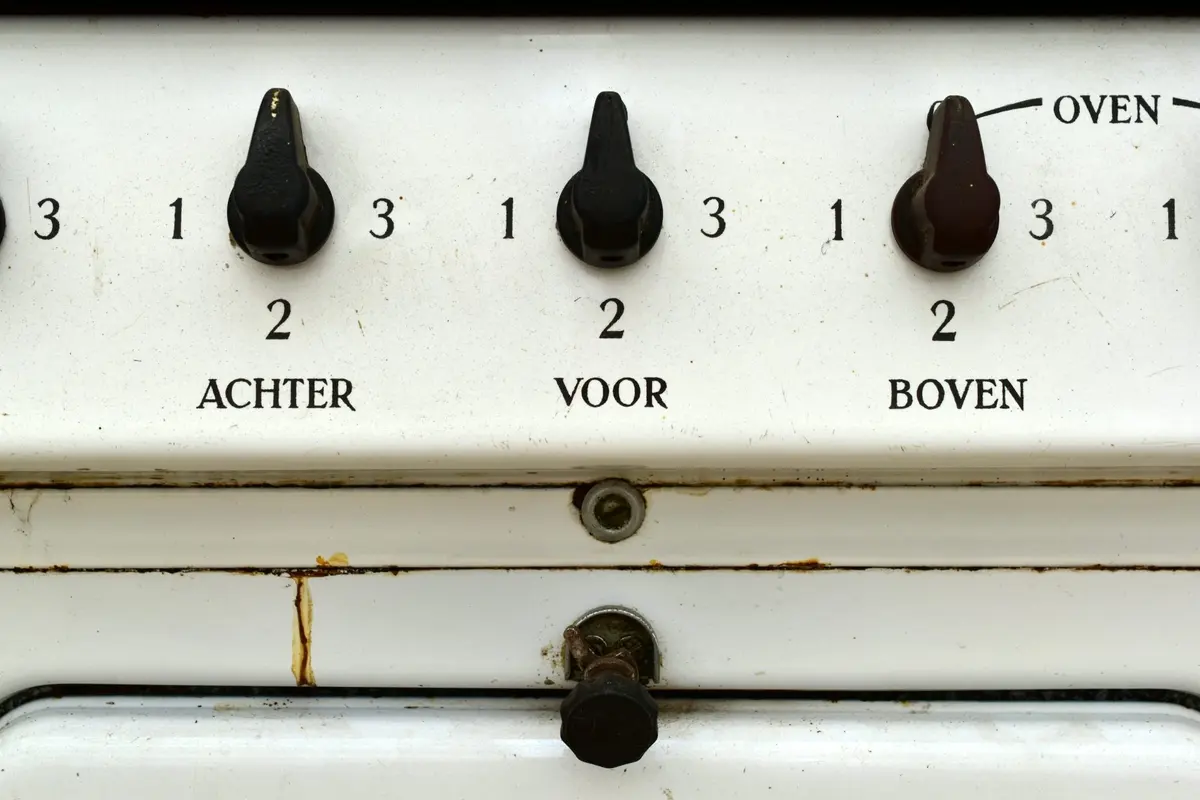
Gas vs Electric Ovens
Gas and electric ovens heat in different ways. Gas ovens depend on the igniter and the gas valve. Electric ovens depend on the elements and the power supply. Both depend on the sensor and the control board. Gas ovens can take longer to preheat when the igniter is weak. Electric ovens can stop heating if a fuse or breaker trips. Gas work must be left to a qualified professional. Do not open the back panel, and do not bypass a safety part.
When to Book a Repair
Book an oven repair if the oven does not heat at all, if the gas igniter glows but the burner will not light, if the oven heats slowly or unevenly, if it stops before it reaches temperature, or if it trips the breaker. Book a repair too if the display shows an error, if the oven smells of gas when it is off, or if it stopped heating after a self-clean cycle. For a gas smell, follow the gas safety box first, before you book anything. Before you book, write down the brand and model number, whether the oven is gas or electric, the symptom, when it started, and any error shown. Ask what the diagnostic fee covers and whether it is credited toward the repair. The diagnostic fee for this business is $80 for standard brands and $95 for elite and premium brands. For oven repair in Staten Island, contact Staten Island Appliance Repair.
Frequently Asked Questions
Why is my oven not heating at all?
The most common causes are a weak gas igniter, a failed bake element, a faulty temperature sensor, a control board fault, or a blown fuse. Check the setting, the door, and the breaker first, then book a diagnosis if the oven still will not heat.
Why does my gas oven igniter glow but not light?
A glowing igniter can still be too weak to open the gas valve. It must draw enough current to open the valve. If the current is too low, the burner never lights. A technician can test the igniter current to confirm it.
Why is my oven not heating after a self-clean cycle?
Self-cleaning runs at very high temperature and can trip a thermal fuse or damage a sensor or control part. If the oven stopped heating right after self-cleaning, tell the technician, because the fuse and sensor are the first parts to check.
Why is my electric oven not heating but the broil element works?
If Broil heats but Bake does not, the bake element is a likely cause. The bake element may have failed inside even if it looks normal. A technician can test it for continuity.
What should I do if I smell gas near my oven?
Stop, do not flip switches or light matches, do not try to relight the oven, leave your home, and call your gas utility emergency line or 911 from outside. Stay outside until the home is declared safe, then call a qualified professional.
Why is my oven heating unevenly?
Uneven heating can come from a faulty temperature sensor, a failed element, or a door seal that lets heat escape. Test with an oven thermometer, check the door seal, and book a repair if the food browns on one side only.
Is it safe to keep using an oven that will not heat properly?
Do not keep using an oven that will not heat, heats unevenly, trips the breaker, or smells of gas. Turn it off, and book a diagnosis. Continued use can make the fault worse and, with gas, can create a safety risk.